You may notice stress in your child’s body before they have words for it. Their shoulders stay tight, sleep becomes difficult, they cannot settle after school, or exam pressure leaves them feeling wound up. You may then come across TRE therapy, short for Tension and Trauma Releasing Exercises, and wonder whether it really helps.
The honest answer is that TRE may help some people with physical tension and stress, but the research is still developing. I offer TRE in Centurion and Middelburg as a body-based complement to psychological support, not a replacement for counselling.
What TRE involves
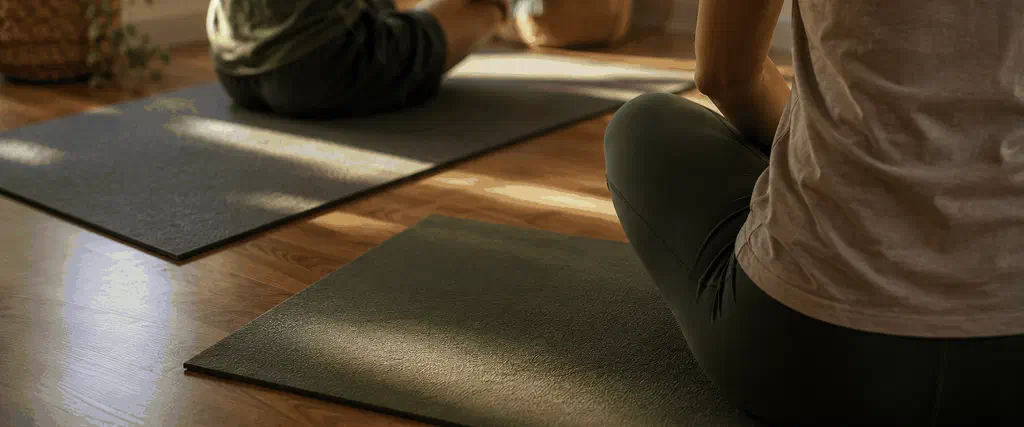
TRE uses a sequence of gentle stretches and muscle-activation exercises, followed by a period of natural shaking or trembling while lying comfortably. The person stays awake and can slow down or stop. A trained provider helps them learn the movements, notice their body’s signals and finish with grounding.
The theory is that tremoring may help the body shift out of prolonged tension. That is a proposed mechanism, not a settled fact: Lynning and colleagues (2021) note the exact way TRE might work has not been scientifically demonstrated.
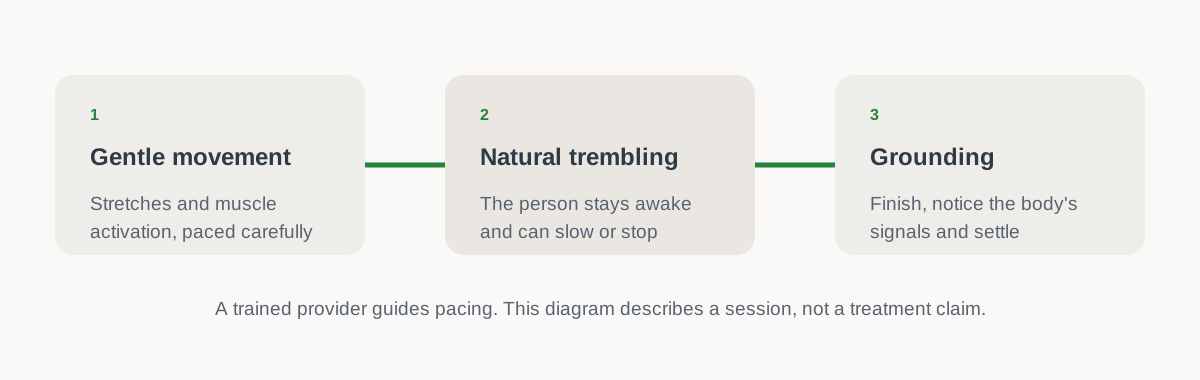
This describes what a TRE session may involve. It does not claim that TRE treats a condition.
What the research found
The published studies are small, but several show early promise.
Parker and colleagues studied 33 female East African refugees in the United States. Participants attended eight weekly TRE group sessions or a weekly discussion group. After eight weeks, the TRE group reported fewer trauma symptoms than the comparison group. Because the study included a comparison group, it gives us more information than a single-group pilot, but it still relied on self-report, had a small sample and did not provide firm evidence about long-term effects.
Lynning and colleagues followed nine people with multiple sclerosis through a nine-week TRE programme. Participants reported lower fatigue and stress, better sleep and improvement in several day-to-day symptoms, while an objective measure of ankle spasticity did not change. Without a control group, the study cannot show that TRE caused these changes, but it suggests TRE was feasible and supports further research.
There is also South African research. Berceli and colleagues taught TRE to 21 staff members at SOS Children’s Village in Cape Town for ten weeks. Attendance was high and participants reported improvements in selected quality-of-life measures, especially life enjoyment and their overall impression of wellbeing. The study had no comparison group and a small sample, and it included the developer of TRE as an author, so the findings need to be read carefully.
A 2021 pilot study by Oh and Shin also found lower state anxiety immediately after a single three-hour TRE session. That offers little evidence about lasting effects, but it is a further sign TRE may quickly reduce felt tension.
Then there is research from closer to home. In my 2022 master’s research at the University of Johannesburg, I used interviews, observation and the Beck Youth Inventories with children in Johannesburg and Centurion who had dyslexia and high anxiety. TRE calmed their nervous systems, alongside lower reported anxiety, better sleep, longer focus in class and a stronger sense of self-worth. A qualitative study cannot prove that TRE caused these changes, but it points to TRE as a useful self-regulation tool for children who carry anxiety in their bodies.
Taken together, the research suggests TRE is possible to teach and that people may report less stress, fatigue or physical discomfort after practising. It does not establish TRE as a proven treatment for trauma, anxiety, PTSD or a medical condition. Most published research has involved adults; my own master’s work focused on children with dyslexia and is a starting point for the questions parents ask about younger clients, not a finished answer.
Where TRE may fit in everyday life
TRE may be worth discussing when stress shows up strongly in the body. A teenager facing tests may understand the work but still struggle with tight shoulders, headaches, poor sleep or a body that will not settle. A body-based practice may then sit alongside study planning, emotional support and strategies for anxious thoughts.
Adults also seek TRE after long periods of work pressure, caregiving or difficult events, often while already in counselling. The useful question is whether this approach fits the person’s age, health, needs and preferences, and whether it can be introduced at a manageable pace.
For a child with dyslexia, the worry is often as tiring as the reading. When learning pressure shows up as stomachaches before school, poor sleep or low confidence, a body-based practice that helps them settle may be worth exploring alongside dyslexia intervention.
For a student whose main difficulty is panic around tests, exam stress management may offer a broader plan: practical preparation, emotional support and ways to respond to unhelpful thinking, with TRE addressing the physical side of stress.
If you are comparing body-aware approaches for exam stress, my guide to the Havening technique explains how it differs from TRE.
What parents should know before trying it
- Start with a proper conversation. Explain what the exercises involve and give your child space to say what feels comfortable or uncomfortable.
- Choose a trained provider. The provider should be able to adapt the movements, explain when to pause and recognise when another form of assessment or support is needed.
- Go slowly. More shaking or a stronger session is not the goal. The person should finish feeling informed and in control.
- Look at the whole picture. Sleep, school pressure, relationships and physical health all matter. TRE should not distract from problems that need direct attention.
- Keep expectations realistic. A person’s response can vary from one session to the next. Early relief does not prove that a condition has been treated, and no change does not mean the person has failed.
As a registered Educational Psychologist (HPCSA Reg. No: PS 0158127), I adapt TRE for the person in front of me. My master’s research on children with dyslexia shapes how I now introduce it: short periods of practice, age-appropriate movement, regular check-ins and a pace the child controls. It also means recommending other support when TRE is not the right fit.
Frequently Asked Questions
What is TRE therapy used for?
TRE is a body-based practice that may help some people notice and reduce physical tension linked with stress. Early studies have looked at stress, anxiety, trauma symptoms and quality of life, but the research is still too limited to call TRE a proven treatment for a specific condition.
Can TRE help with exam stress?
TRE may be useful when exam pressure shows up in the body as tight muscles, restlessness, poor sleep or feeling constantly on edge. It works best as one part of support, alongside practical study strategies and emotional guidance when those are needed.
Is TRE suitable for children and teenagers?
TRE can be adapted for younger clients, with gentle movements, shorter practice and careful pacing. Most published studies have involved adults, so a trained provider should first consider the child’s age, health, comfort and wider support needs.
Can TRE replace counselling or other therapy?
No. TRE is best understood as a possible complement to counselling or other support, not a replacement. If a child or adult has experienced significant trauma, severe anxiety or ongoing distress, they need an appropriate mental health assessment and support plan.
Is there research on TRE for children with dyslexia?
Yes. My 2022 master’s research at the University of Johannesburg studied children with dyslexia who carried high anxiety. Using interviews, observation and the Beck Youth Inventories, the children’s reported anxiety eased along with better sleep, longer focus in class and a stronger sense of self-worth. As a qualitative study, it suggests these benefits rather than proving them.
If your child is carrying stress in their body, you do not need to decide on a therapy from a search result alone. You are welcome to contact me to talk through what you are noticing and whether TRE therapy is appropriate. We can start with the concern, not a commitment to a particular method.